Marrakech Itinerary: A Practical 3-Day Plan, Day by Day
IDEAL STAY
DAY 1
DAY 2
DAY 3
Marrakech Itinerary: How Many Days Do You Need?
A good Marrakech itinerary for 3 days groups the sights by area so you never cross the city twice: the medina’s palaces, mosque and main square on day one, the gardens and museums of the new town on day two, and the souks, Mellah and a hammam on day three. This guide gives the order, the time each sight needs, indicative entry fees in dirhams with dollar and euro equivalents, and the mistakes first-time visitors make.
Entry fees in this Marrakech itinerary come from 2026 travel guides and change often, so confirm them on the day. Opening hours are not listed on purpose: check each site before you go. Conversions use a rough 9.5 MAD to the dollar and 10.8 MAD to the euro.
Three days is the sweet spot for a Marrakech itinerary: it covers the headline sights without rushing, with enough slack for long lunches. If you only have two, drop day three and shorten day one. If you have four or more, add a half-day trip out of town; the options are near the end of this guide.
| Day | Area | Main stops |
|---|---|---|
| 1 | Medina core | Koutoubia, Ben Youssef Madrasa, Bahia Palace, Saadian Tombs, Jemaa el-Fna at sunset |
| 2 | New town (Gueliz) | Jardin Majorelle, Yves Saint Laurent Museum, Berber Museum, lunch in Gueliz |
| 3 | Souks and Mellah | Souks, Mellah, Le Jardin Secret, hammam |
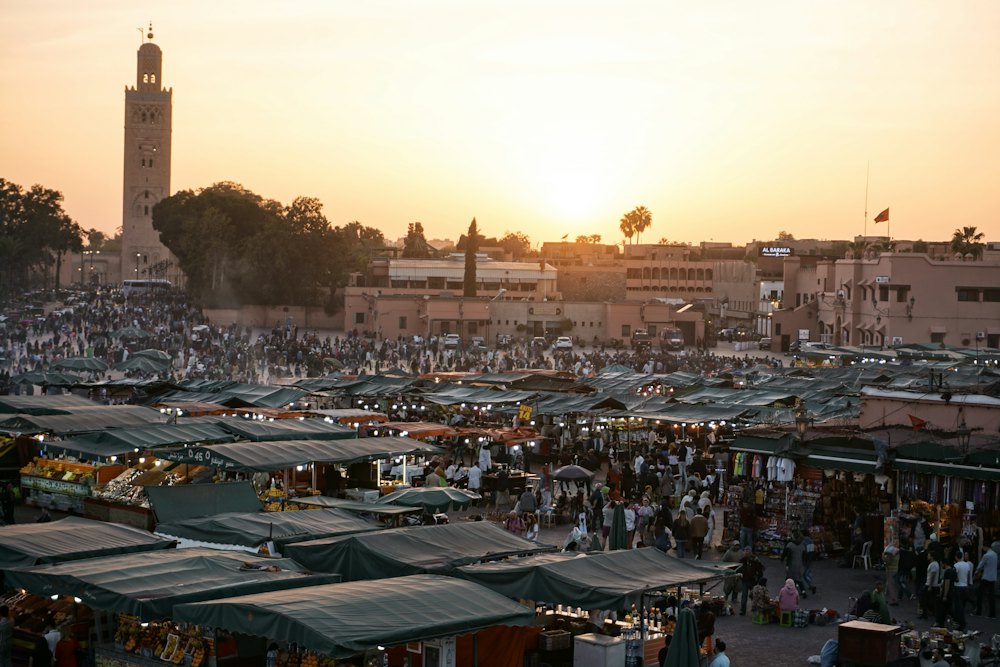
Day 1: The Medina Core
Day one of this Marrakech itinerary starts in the old city, where the most important monuments sit within walking distance of each other.
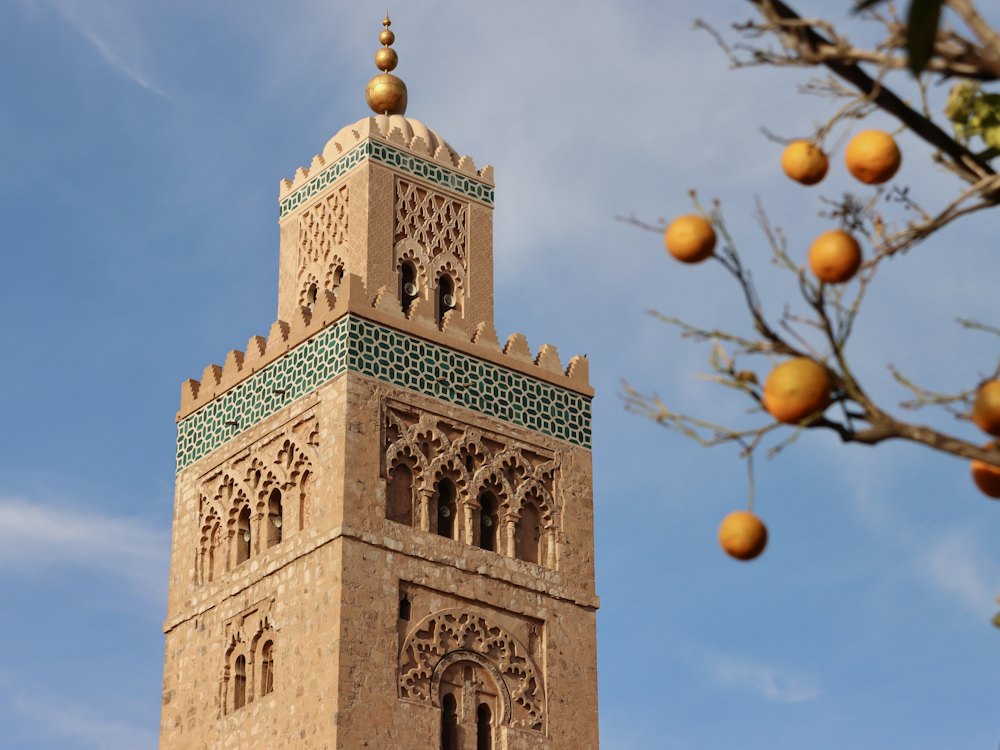
Koutoubia (morning or sunset)
The 77 m minaret is the city’s landmark. Non-Muslims cannot enter the mosque, but the gardens around it are open. About 9 am is quiet.
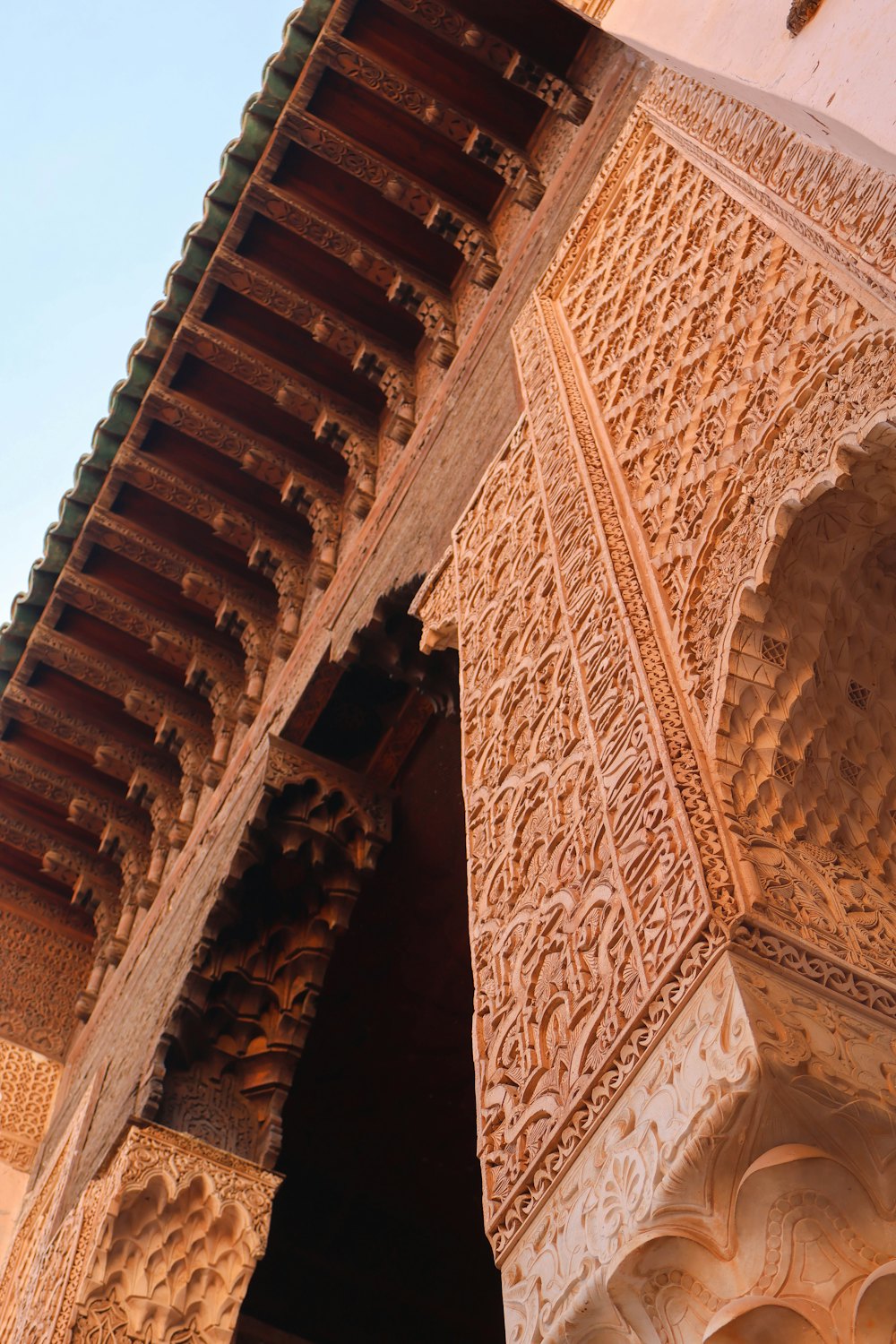
Ben Youssef Madrasa (45 to 60 minutes)
A 14th-century Islamic school that once housed some 800 students. Foreign adults were quoted about 50 MAD (about $5 / €5).
Bahia Palace (45 to 60 minutes)
A late-19th-century palace built for a grand vizier. Foreign adults were quoted about 100 MAD (about $11 / €9), children aged 7 to 13 about 50 MAD (about $5 / €5), and under-7s go free. Check whether you need to buy tickets online in advance.
Saadian Tombs (about 30 minutes)
Sixteenth-century tombs a 10-minute walk south of Bahia, known for the Hall of the Twelve Columns. About 100 MAD (about $11 / €9) for foreign adults.
El Badi Palace (about 1 hour)
Largely unrestored ruins, and a good place to see the roofline and storks.
Jemaa el-Fna at sunset
The square changes from daytime stalls to evening food and entertainment. A rooftop mint tea over the square is a common way to watch it.
Day 2: Gardens and Museums in the New Town
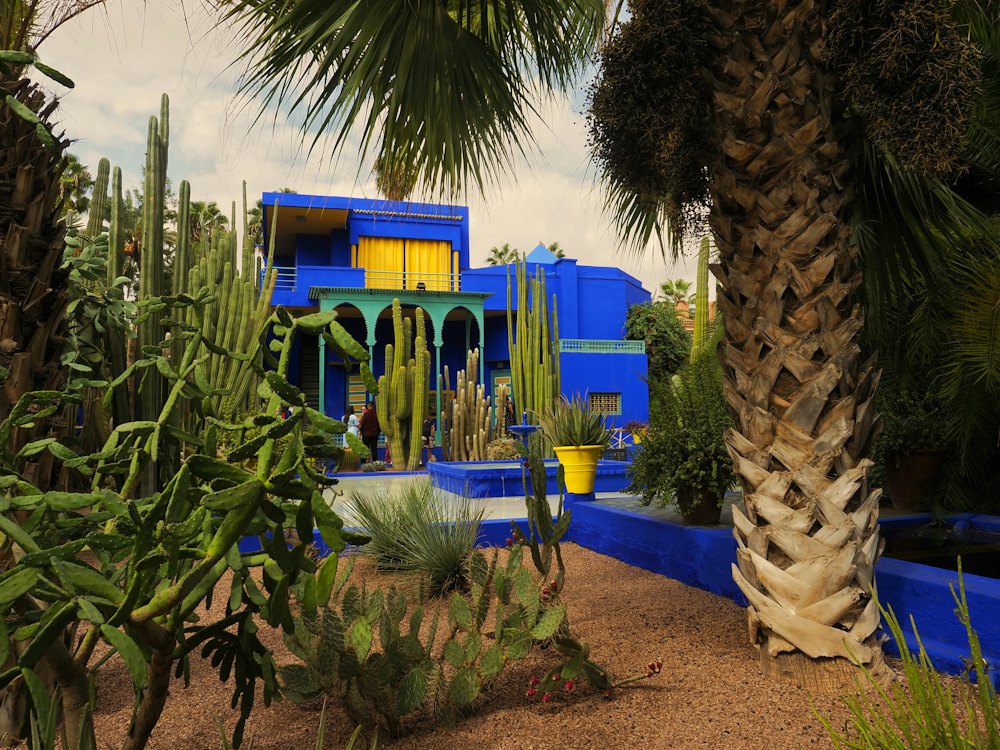
Jardin Majorelle (about 45 minutes, 2.5 to 3 hours with the museums)
The garden is quietest at the 8 am opening. Tickets are timed QR codes sold only through the official ticket site, and slots can sell out days ahead in busy months such as April, May and October. Foreign adults were quoted about 170 MAD (about $18 / €16) for the garden alone, or about 330 MAD (about $35 / €31) for the garden plus the Berber Museum and the Yves Saint Laurent Museum.
Yves Saint Laurent Museum (about 1 hour)
Next door to the garden and worth the time if you like fashion and design.
Lunch and a walk in Gueliz
This part of the Marrakech itinerary feels calmer than the medina, with cafés and galleries and a very different, more European feel.
Day 3: Souks, Mellah and a Hammam
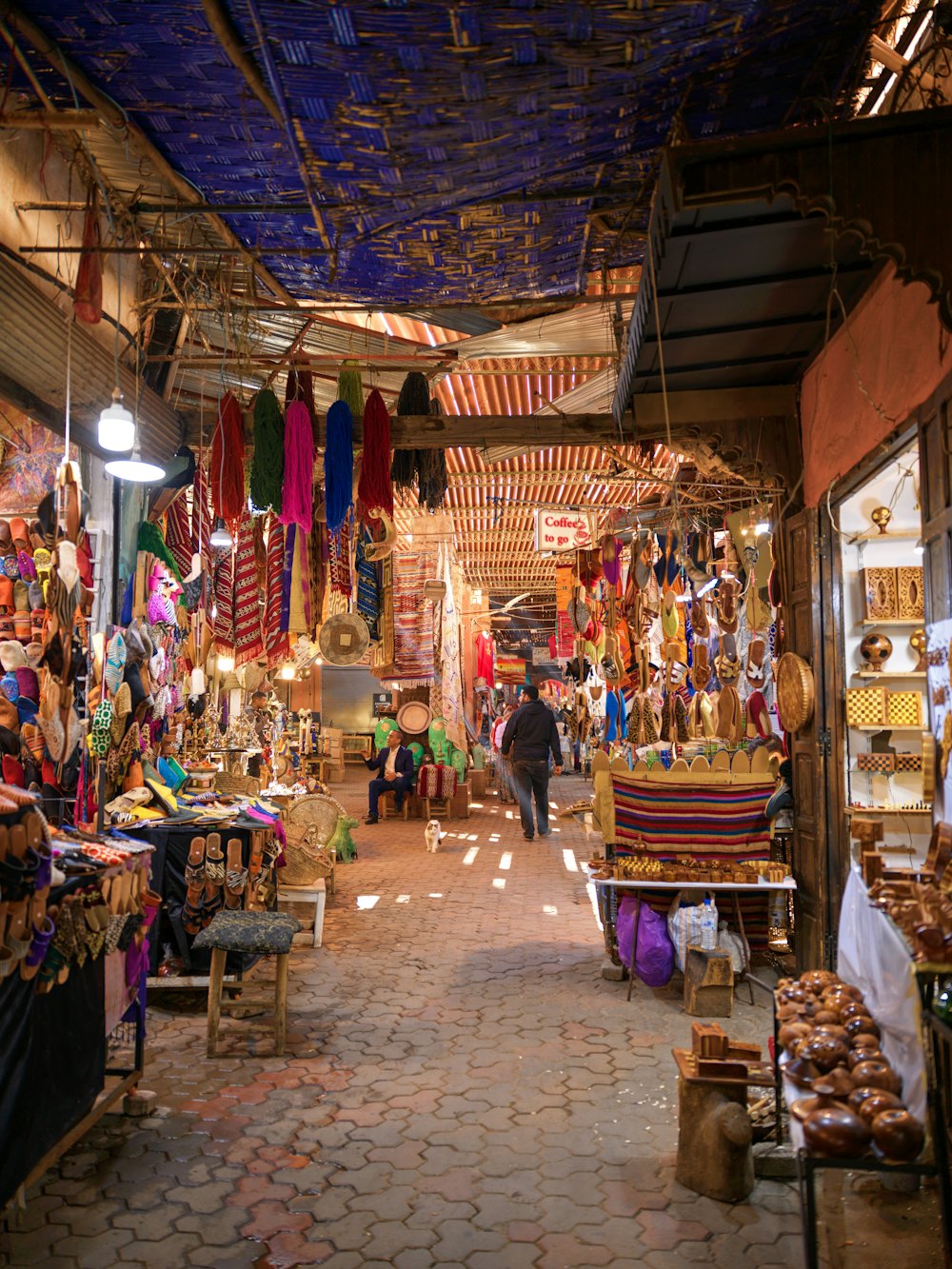
The souks (morning)
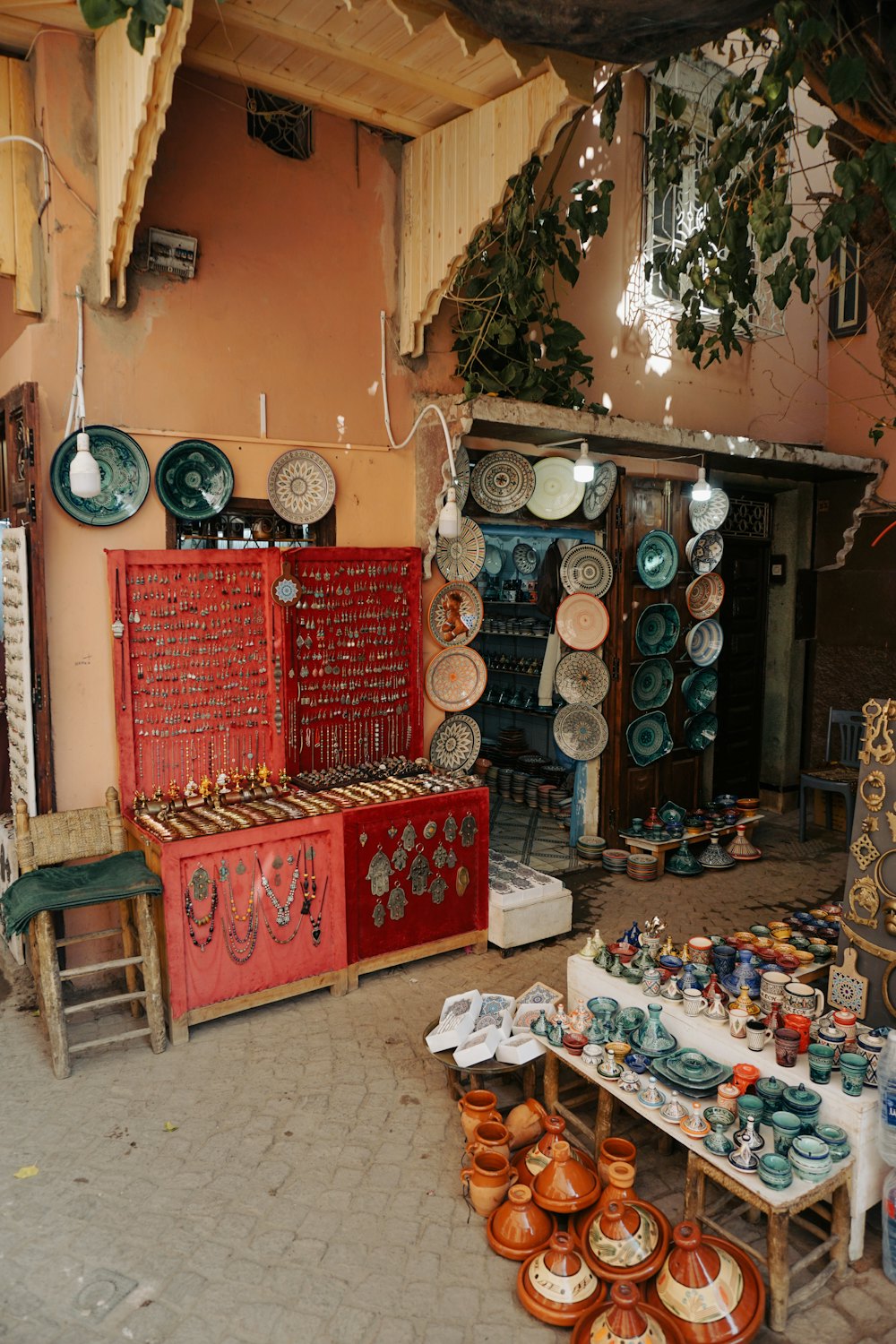
On the last day of your Marrakech itinerary, weekday mornings are calmer than weekend afternoons. The markets are grouped by trade, such as spices, leather and metalwork, and fixed landmarks such as the Ben Youssef Mosque and Mouassine Fountain help you find your way.
Mellah (about 1 hour)
The historic Jewish quarter, with a cemetery and the Slat al-Azama synagogue, which is open only occasionally.
Le Jardin Secret (afternoon)
A restored garden palace in the medina, a quiet break after the souks.
A hammam to finish
Local hammams are commonly about 50 to 100 MAD (about $5 to $11 / €5 to €9) for the basics, while tourist-oriented treatments can run 300 to 600 MAD (about $32 to $63 / €28 to €56) or more.
How Much Does a Marrakech Itinerary Cost?
Budget for entry fees first when you plan a Marrakech itinerary.
| Item | Typical cost |
|---|---|
| Ben Youssef Madrasa (foreign adult) | 50 MAD (about $5 / €5) |
| Bahia Palace (foreign adult) | 100 MAD (about $11 / €9) |
| Saadian Tombs (foreign adult) | 100 MAD (about $11 / €9) |
| Jardin Majorelle, garden only | 170 MAD (about $18 / €16) |
| Majorelle plus two museums | 330 MAD (about $35 / €31) |
| Petit taxi, airport to medina | 70 to 100 MAD (about $7 to $11 / €6 to €9) |
| Local hammam | 50 to 100 MAD (about $5 to $11 / €5 to €9) |
Prices are approximate and can change. Tipping is customary: about 10% in a sit-down restaurant is common, and small coins for porters and guides are appreciated.
How Do You Get Around Marrakech?
Inside the medina you will mostly walk. For longer hops use petit taxis, and either agree the fare first or insist on the meter. The airport is about 6 km out, around 15 to 20 minutes from the main square by taxi. Pre-booked transfers start from about €15 (about $16), and an airport shuttle bus runs for about 30 MAD (about $3 / €3), but it does not reach most accommodation, so confirm where it stops before you rely on it.
Carry dirham in cash for the medina, small purchases and tips. Calèches (horse carriages) and bicycles are also available.
Etiquette, Dress and Local Customs
- Dress modestly: cover shoulders and knees, in the medina and in smaller towns especially. It is not a legal rule for tourists, but it is appreciated.
- Mosques: non-Muslims cannot enter active mosques in Marrakech, in any season.
- Photographs: ask before photographing people, and expect a request for a tip from performers and some stall owners.
- Greetings and bargaining: a friendly greeting goes a long way, and bargaining is expected in the souks but not in shops with fixed prices.
- Ramadan: opening hours and the rhythm of the day shift, so read what to know about visiting Morocco during Ramadan before you plan.
Safety, Scams and Common Mistakes
Marrakech is a popular and generally safe city for visitors, but a few habits help. Expect persistent touts and unofficial guides, walk with confidence, decline politely, agree any price in advance and keep valuables out of sight. Common mistakes include:
- Going to Jardin Majorelle without a timed ticket.
- Letting an unofficial guide lead you to a shop or a tannery roof terrace with sales pressure; viewing the tanneries from the street is the alternative.
- Accepting the first price in the souks. Travel guides suggest aiming for roughly 30 to 40% of the first ask, with patience and a smile.
- Skipping the meter or the fare agreement in a taxi.
- Arriving late at night with no transfer arranged.
- Underestimating medina fatigue. Alternate busy blocks with a long lunch or a rest at your riad.
Where Should You Stay in Marrakech?
A Marrakech itinerary is easiest when you stay inside the medina, which puts you close to the main sights, and a riad at least two streets away from Jemaa el-Fna cuts the noise. Gueliz and Hivernage in the new town are calmer, with modern hotels and easier taxi access. Whichever you choose, ask about heating in winter and arrange your airport transfer in advance.
When Is the Best Time to Follow This Itinerary?
March to May and September to November are the most comfortable for this Marrakech itinerary. In June to August avoid the middle of the day, when temperatures can pass 40°C. In winter, plan outdoor sights around the shorter daylight; our Marrakech weather in December guide covers what to expect and what to pack.
What About Day Trips From Marrakech?
Add a day trip only if you have four days or more. Two close options are the stone desert at Agafay (about 40 to 60 minutes away) and the mountain valley described in our Ourika Valley day trip guide. Essaouira takes 2.5 to 3 hours each way, so it is a full day rather than a half day.
What Is a 2-Day Version of This Itinerary?
With only two days, keep day one almost as written (Koutoubia, Bahia Palace, Jemaa el-Fna at sunset) and drop the Saadian Tombs and El Badi Palace. On day two, start at Jardin Majorelle at opening time, have lunch in Gueliz, then spend the afternoon in the souks and finish with a hammam. You lose the Mellah and Le Jardin Secret, but you still see the best of the city.
What Should You Eat and Drink in Marrakech?
Mint tea is served everywhere and is a polite thing to accept. Tagines, couscous and grilled meats are staples, and Jemaa el-Fna’s evening food stalls are lively and affordable. Prices at the stalls are usually displayed or told to you up front; confirm them before you order, and choose busy stalls with a high turnover of food. In restaurants, tipping about 10% is common.
Tap water is not recommended for visitors, so stick to sealed bottled water, including for brushing your teeth if you have a sensitive stomach.
Insider Tips for Your First Marrakech Trip
- Use the lanes, not the main roads: the medina is easiest on foot, but keep a map app offline because signs are limited.
- Do the busiest sights early: Majorelle at 8 am, souks on a weekday morning.
- Agree taxi fares: before you get in, or insist on the meter.
- Say no politely and keep walking: you owe no one an explanation.
- Rest in the afternoon: a long lunch and a break at your riad make the evening more enjoyable.
Frequently Asked Questions About a Marrakech Itinerary
How many days do you need in Marrakech?
Three days is enough to see the main sights at an easy pace: one for the medina core, one for the gardens and museums of the new town, and one for the souks and a hammam. Two days is possible but rushed.
What should you see first in Marrakech?
Start with the Koutoubia, Ben Youssef Madrasa and Bahia Palace area in the medina, then see Jemaa el-Fna at sunset. They are close together and give a strong first impression.
Do you need to book Jardin Majorelle in advance?
Yes. Entry uses timed QR-code tickets sold online, and slots can sell out days ahead in busy months such as April, May and October.
How do you get around Marrakech?
Mostly on foot inside the medina. For longer distances use petit taxis: agree the fare before you get in or insist on the meter.
Is Marrakech safe for walking around?
Generally yes, but expect persistent touts and unofficial guides. Walk with confidence, decline politely, agree any price in advance and keep valuables out of sight.
What is the best time of year for a Marrakech itinerary?
March to May and September to November are the most comfortable. Avoid the middle of the day from June to August, when temperatures can pass 40°C.
How much money do you need per day in Marrakech?
It depends heavily on style. Entry fees alone for a typical sightseeing day run from about 100 to 330 MAD (about $11 to $35 or €9 to €31) per person, before meals, taxis and tips.
So, How Should You Plan Your Days in Marrakech?
Build your Marrakech itinerary around three areas, one per day, and keep each day to two or three main stops with a long lunch in between. Book Jardin Majorelle first, keep cash on you, and leave the afternoons loose. That gives you the best of the city without the fatigue.