Visiting Morocco During Ramadan: What’s Open, What Changes, and Whether You Should Go
EXPECTED START
EID AL-FITR
CLOCK
PUBLIC OFFICES
Should you visit Morocco during Ramadan?
Yes, you can travel to Morocco during Ramadan, and tourism continues as normal. Non-Muslims are not required to fast, and restaurants and cafés mostly stay open in tourist hubs such as Marrakech and Fez. What changes is the rhythm of the day: quiet mornings, a rush at sunset, and lively nights. Expect fewer alcohol options, a clock change, and shorter business hours. It suits travelers who want atmosphere and culture more than a packed sightseeing schedule.
When is Ramadan in Morocco in 2027?
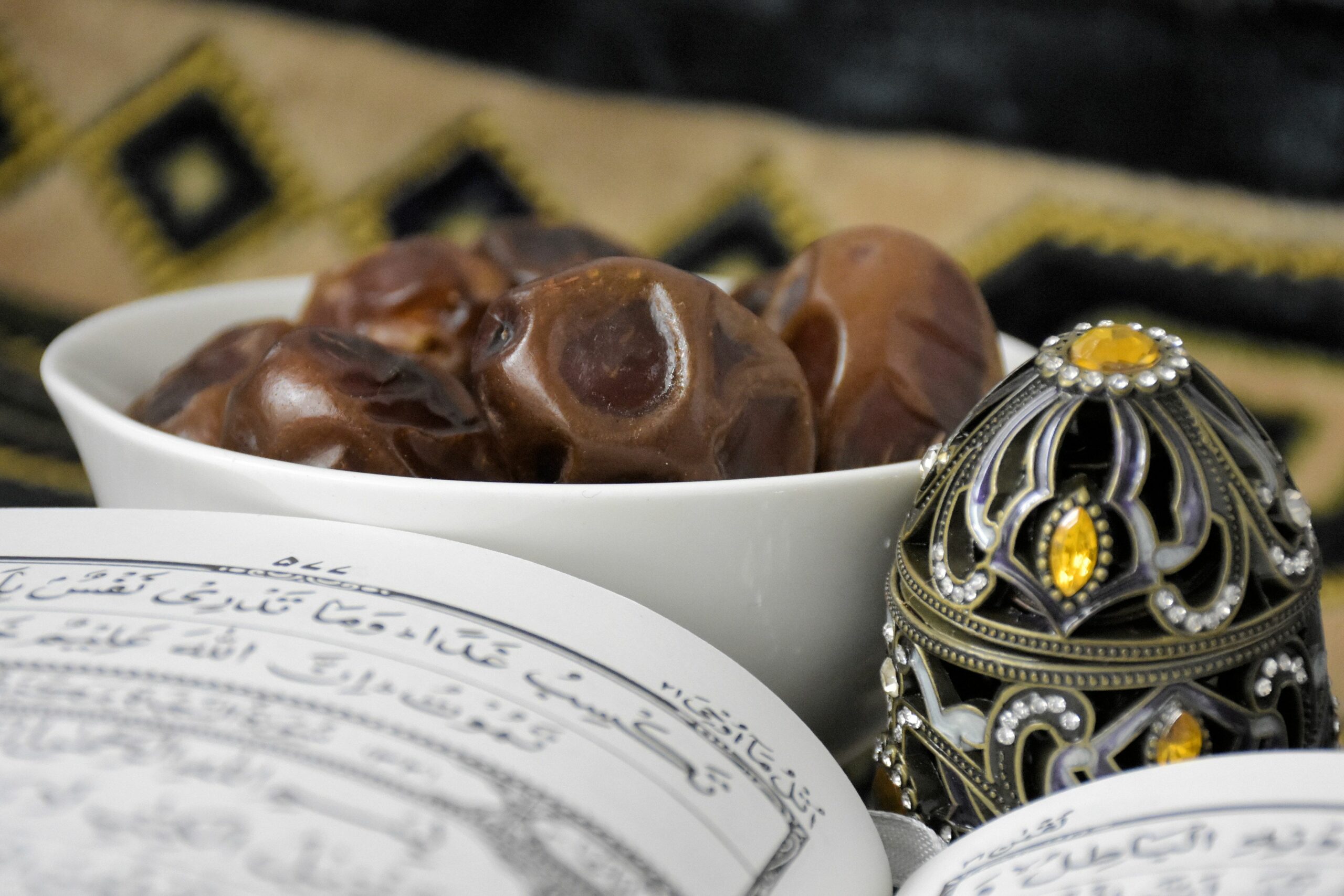
Ramadan 2027 is expected to begin on Monday, 8 February 2027 and end around 9–10 March 2027, with Eid al-Fitr expected on about 10 March. The 8 February date is an astronomical forecast, not an official announcement from Rabat. Morocco’s religious affairs ministry confirms the start after the moon sighting, a day or so beforehand. In 2026, for example, the announcement came on 18 February for a Thursday start. Ramadan moves about 11 days earlier each year, so the dates for later years shift again.
What does Ramadan mean for daily life in Morocco?
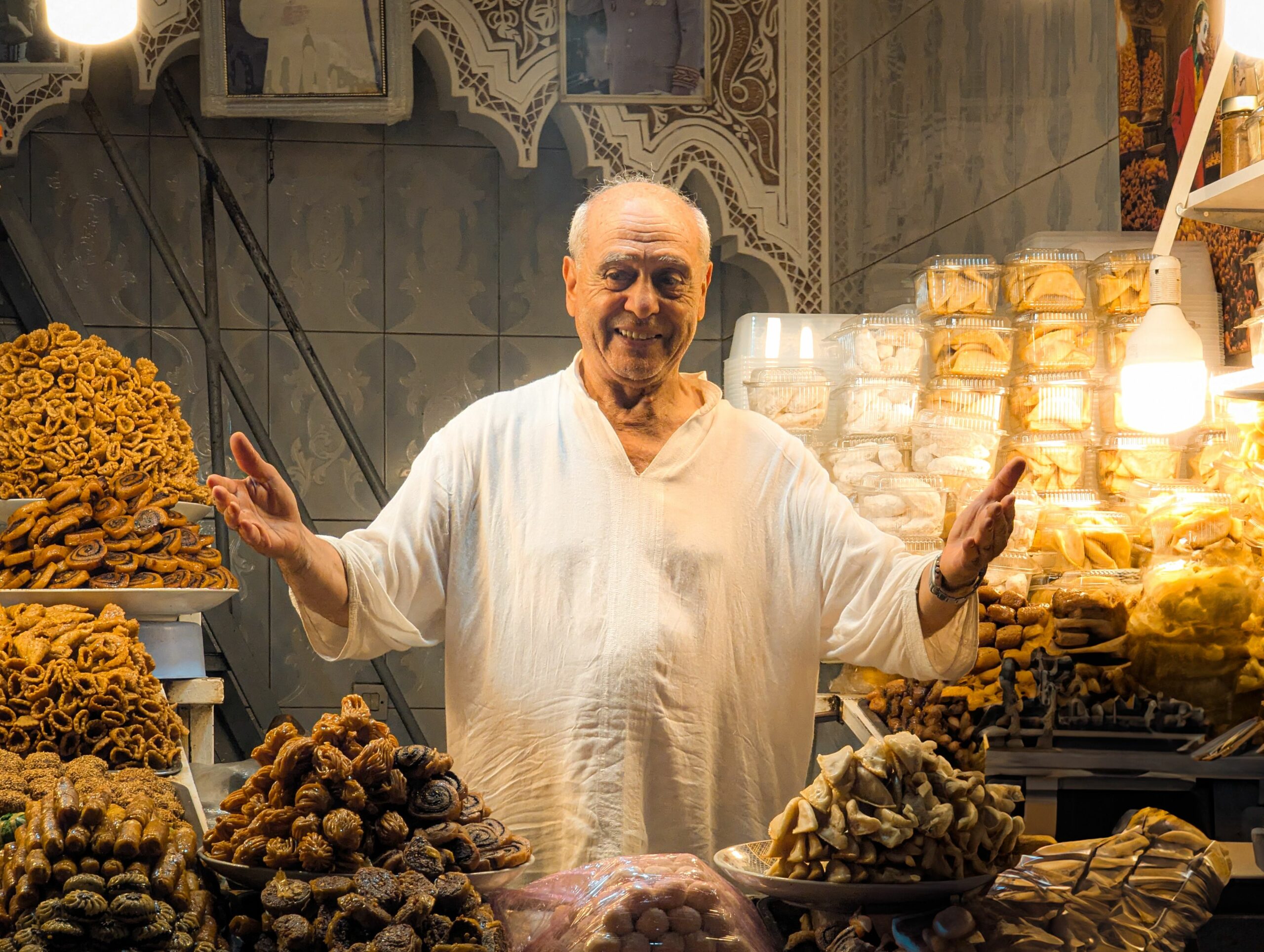
Morocco’s population is over 99% Muslim, so Ramadan shapes the whole country, not just mosques and restaurants. Most Moroccans fast from dawn to sunset, and the evening meal, called ftour (iftar), is the high point of the day. It traditionally begins with dates and harira soup. Visitors usually notice three things: quiet afternoons, a rush as sunset approaches, and crowds that stay out late. In Marrakech, sitting at a stall at ftour time beside locals is among the most memorable ways to experience the month.
Can tourists eat and drink in public during Ramadan in Morocco?
Yes, legally, but be discreet. Article 222 of the penal code, which bans public eating during Ramadan, excludes non-Muslim foreigners. It targets people identifiably Muslim who openly break the fast in public, and it also applies to Muslim visitors from other countries. If you are Muslim, don’t eat or drink in public during fasting hours.
For everyone else, the practical advice is to eat inside restaurants or your hotel and avoid snacking on the street or on public transport. You won’t be fined, but ignoring local expectations can cause real offense.
Enforcement matters mostly for Muslim travelers and for the businesses that serve them. Arrests for public eating are reported in many years. In 2022, authorities in Casablanca arrested customers of a café after residents complained about its owner. This is one reason tourist-oriented venues may cover their windows. The law is still debated in Morocco, but the most recent coverage available (2024) shows it remains in force, so check current news before you travel.
Are restaurants open during Ramadan in Morocco?
Many are, but it depends on the type of place:
| Type of place | Daytime during Ramadan | Evening |
|---|---|---|
| Hotel restaurants | Usually serve normally | Normal |
| Tourist restaurants (Marrakech, Fez, Chefchaouen) | Often open, sometimes with curtained windows | Busy |
| International chains | Usually serve tourists | Busy |
| Local cafés and street stalls | Most open only from late afternoon | Peak from sunset to midnight |
Staffing can be thinner in the day because kitchen workers are fasting too. Smaller towns have fewer daytime options, so carry water and a snack, and eat them out of public view.
How do the main destinations compare?
|
Destination |
Daytime food |
Good to know |
|---|---|---|
|
Marrakech |
Tourist restaurants and hotel dining rooms serve all day |
Hotel restaurants in Hivernage and the Palmeraie keep near-normal hours; Jemaa el-Fna is lively at night |
|
Fez and Chefchaouen |
Restaurants that cater to tourists stay open, some with curtained windows |
Local cafés mostly open in the late afternoon |
|
Casablanca and Rabat |
Hotels and international chains are the most dependable options |
Check ahead for independent restaurants |
|
Smaller towns and rural areas |
Fewer options; no published survey found |
Ask your riad or hotel the day before about lunch, and carry snacks |
Reports differ on how many restaurants close. One older account (2014) says most close in daylight except upscale places and chains, while recent guides describe tourist areas as mostly open. Confirm with your hotel before you rely on a specific place.
Does Morocco change time during Ramadan?
No, not anymore. Until 2026, Morocco used GMT+1 all year and switched to GMT for the month of Ramadan. That system ended in September 2026: Morocco went back to GMT (clocks moved back one hour on September 20, 2026), ending the permanent GMT+1 introduced in 2018. Morocco now stays on GMT all year, so there’s no clock change for Ramadan 2027, which is expected to begin around February 8. Note that the gap with Europe will change with the seasons: Morocco will be 1 hour behind much of Western Europe in winter and 2 hours behind in summer. Double-check flight, train and tour pickup times in local time.
Does Morocco shut down during Ramadan? What changes?
No, but the day shifts:
- Business hours: Public offices usually work continuously from about 9am to 3pm, Monday to Friday. Few people return to work after Friday midday prayers.
- Fasting times: In 2026, most Moroccans fasted from about 5am to 7pm, with times changing daily.
- Sunset (iftar/ftour): Streets empty just before sunset, then fill up. Arrange meals and transport around it.
- Nights: Restaurants in Marrakech run seatings well past midnight, and Jemaa el-Fna has a festive atmosphere.
- Mosques: Non-Muslims cannot enter active mosques in Marrakech in any season. Ramadan doesn’t change that.
How to plan a day during Ramadan
This is practical advice based on the changes above.
- Do outdoor sightseeing and errands in the morning. Public offices close around 3pm, and some shops open late.
- Rest through the afternoon, when streets are quiet and many local cafés are closed.
- Avoid transfers and taxis around sunset. A 2026 guide put the ftour rush at roughly 6:00–7:30pm, and times shift by date and city.
- Book dinner after sunset or late. In Marrakech, seatings run past midnight.
- Carry water and a snack for travel days, and consume them out of public view.
What should you wear in Morocco during Ramadan?
Dress the same modest way you would the rest of the year, but with a bit more care. Ramadan is a deeply religious month, and many people are fasting from dawn to sunset, so showing a little extra respect in how you dress is appreciated, especially in the medina, in smaller towns and villages, and near mosques.
For women: Cover your shoulders and knees. Light, loose trousers, long skirts or maxi dresses, and tops with sleeves work well and stay comfortable in the heat. Carry a light scarf or shawl you can throw over your shoulders if needed. You don’t need to cover your hair, except when visiting a mosque that is open to non-Muslims.
For men: Long trousers or knee-length shorts and a regular t-shirt are fine. Avoid sleeveless tops in the medina and in rural areas.
Good to know:
- Avoid very tight, see-through or revealing clothing, especially during the day when streets are busy and people are fasting.
- Beach towns and tourist resorts like Agadir, Essaouira and Marrakech’s hotels are more relaxed, but modest clothing is still safer outside pool and beach areas.
- Choose breathable fabrics like cotton or linen, especially if Ramadan falls in a hot season.
- This is a recommendation to show respect, not a legal rule for tourists, and nobody will stop you for what you wear. People will simply appreciate the effort.
Who should go, and who should think twice?
Good fit:
Travelers who want a cultural experience, evening life, and generally fewer crowds. Plan an iftar meal, as sharing one is a highlight.
Think twice if:
- You are visiting small towns or rural areas with few daytime food options.
- You plan long desert or trekking days, where food and water on the road are harder.
- You want nightlife, or a trip with a lot of drinking.
- You have tight schedules where reduced daytime hours and the clock change could cause problems.
→ Eid al-Fitr (around 10 March 2027) is a national holiday, so expect closures and heavy domestic travel. Book transport early.
So Is Morocco Worth Visiting During Ramadan?
Visiting Morocco during Ramadan can be a rewarding experience if you plan around the country’s changing daily rhythm. You can still explore the medinas, visit historic sites, enjoy guided tours and discover Moroccan cuisine. The main difference is knowing where to find daytime meals, allowing extra time around sunset and checking opening hours before you go.
For many travelers, Ramadan offers a different perspective on Moroccan culture, from traditional ftour meals to lively evening markets and late-night gatherings. With a little flexibility, you can enjoy the country without missing its main attractions.
Are you planning to visit Morocco during Ramadan 2027, or have you already experienced it? Share your questions, travel plans or experiences in the comments below. We’d love to hear from you and help you prepare for your trip!
I am glad I came across this piece. Your writing helped me see the subject with a little more clarity.